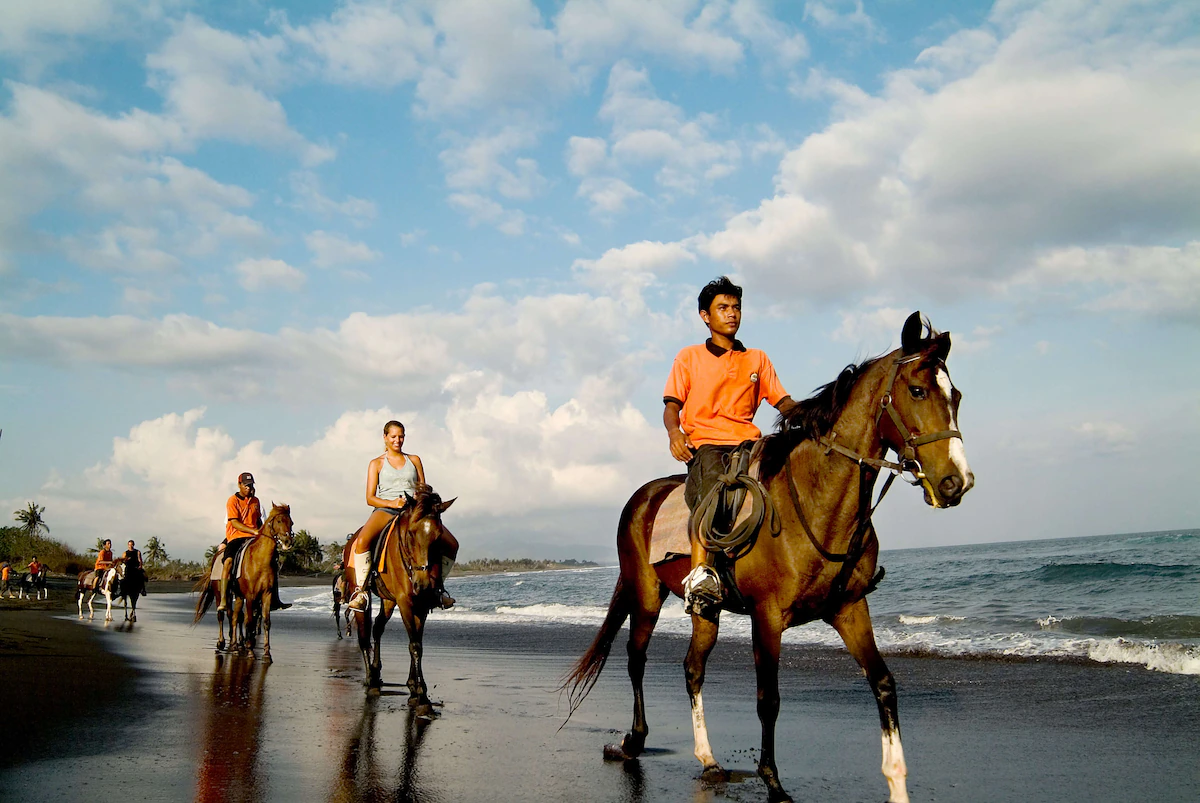
Saba Black Sand Beach
07:00–10:00
The volcanic dark sand creates a high-contrast backdrop against the horse and rider, emphasizing the coastal textures.
Bali's Gianyar coast keeps a working stable within metres of the surf line, and what locals call sesi foto berkuda di Bali lives or dies on the hour you book. This horse riding photoshoot bali guide sets out the daily operating window, the light that makes dark volcanic sand work, and what a session involves on the ground. Figures, not promises.
Quick answer
Horse riding photoshoots at Bali Horse Riding run daily between 07:00 and 18:00, with 07:00–10:00 the recommended arrival window for the softest light and coolest sand. One caveat: the black sand at Saba shifts with the tide, so a sunrise horse ride photo session is worth reconfirming by phone first.
Saba Beach is not white. The sand along Jl. Pantai Saba is dark volcanic grey, washed down from Bali's central volcanoes, and it behaves nothing like the pale coral sand of Seminyak or Nusa Dua. Dark sand absorbs light instead of bouncing it, so faces need the sun low and in front of them. It also turns reflective the instant a wave pulls back. That single property explains why the horse riding photoshoot bali circuit centres on this stretch of Gianyar coastline rather than the busier beaches west of Denpasar. The second thing to understand is geography. This coast faces south across the Indian Ocean, which means neither sunrise nor sunset sits over the water. The sun tracks along the shoreline instead, raking low across the wet sand and throwing long shadows from horse and rider down the beach. Photographers who expect a sun-into-the-sea frame plan for the wrong picture. Behind the dunes, the land climbs quickly into Blahbatuh: coconut groves, village lanes, and rice fields that give a second, greener backdrop within a few minutes' walk of the stable. The horses themselves are small, locally bred animals accustomed to surf, traffic noise, and the sound of a shutter. Each ride goes out with a handler on foot, which is a safety arrangement first and a composition constraint second, since frames are planned around a person holding the lead rope. Local operators describe the format simply as sesi foto berkuda di Bali: a beach horse riding tour with a photographer working alongside it. The practical consequence is sequencing. A session is a ride first and a shoot second, built around what the animal will do rather than what a shot list demands. Riders who arrive inside the early window get cooler sand, steadier water, and a clear beach before day-trippers reach the Gianyar coastline. Everything else is coordination. The stable keeps one daily pattern through the week, beach access itself is not ticketed, and specialized photography is arranged separately.
“Saba's dark sand turns reflective the instant a wave pulls back, and for a moment the horse photographs twice.”
The best arrival window for a horse riding photoshoot is 07:00–10:00, providing optimal natural light and cooler temperatures for beach photography. This schedule remains consistent across every day of the week.
Low humidity, 27°C–30°C. Drier weather ensures clear skies for photography.
High humidity, 28°C–32°C. Expect brief rain showers, usually followed by sun.
— Consistent lighting conditions make this ideal for photos.
— Popular for local visitors and photography enthusiasts.
Verdict: For the best conditions, aim for an early arrival between 07:00 and 10:00 during the dry season months of April to October.
Access to the location is free for all visitors. Specialized photography services involving horses incur distinct fees for professional coordination and equipment use.
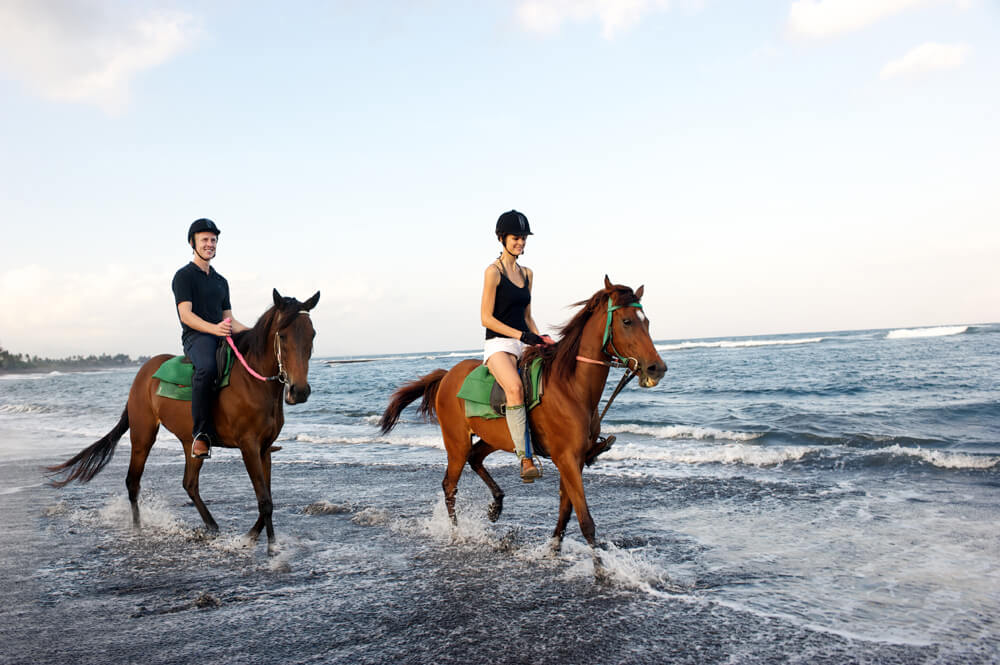
07:00–10:00
The volcanic dark sand creates a high-contrast backdrop against the horse and rider, emphasizing the coastal textures.
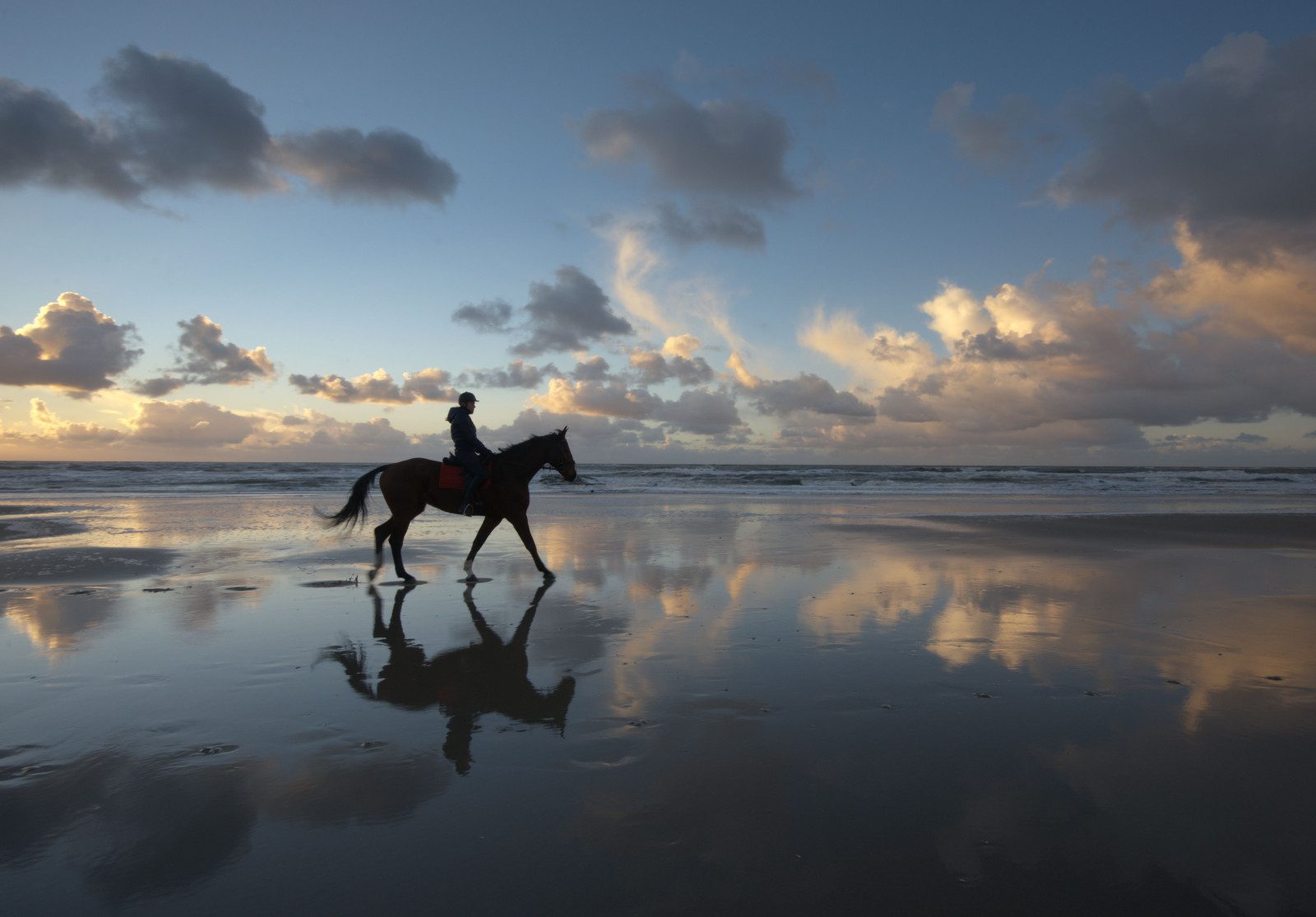
07:00–10:00
Position the horse near the water's edge to capture reflections and movement as waves roll across the dark sand.
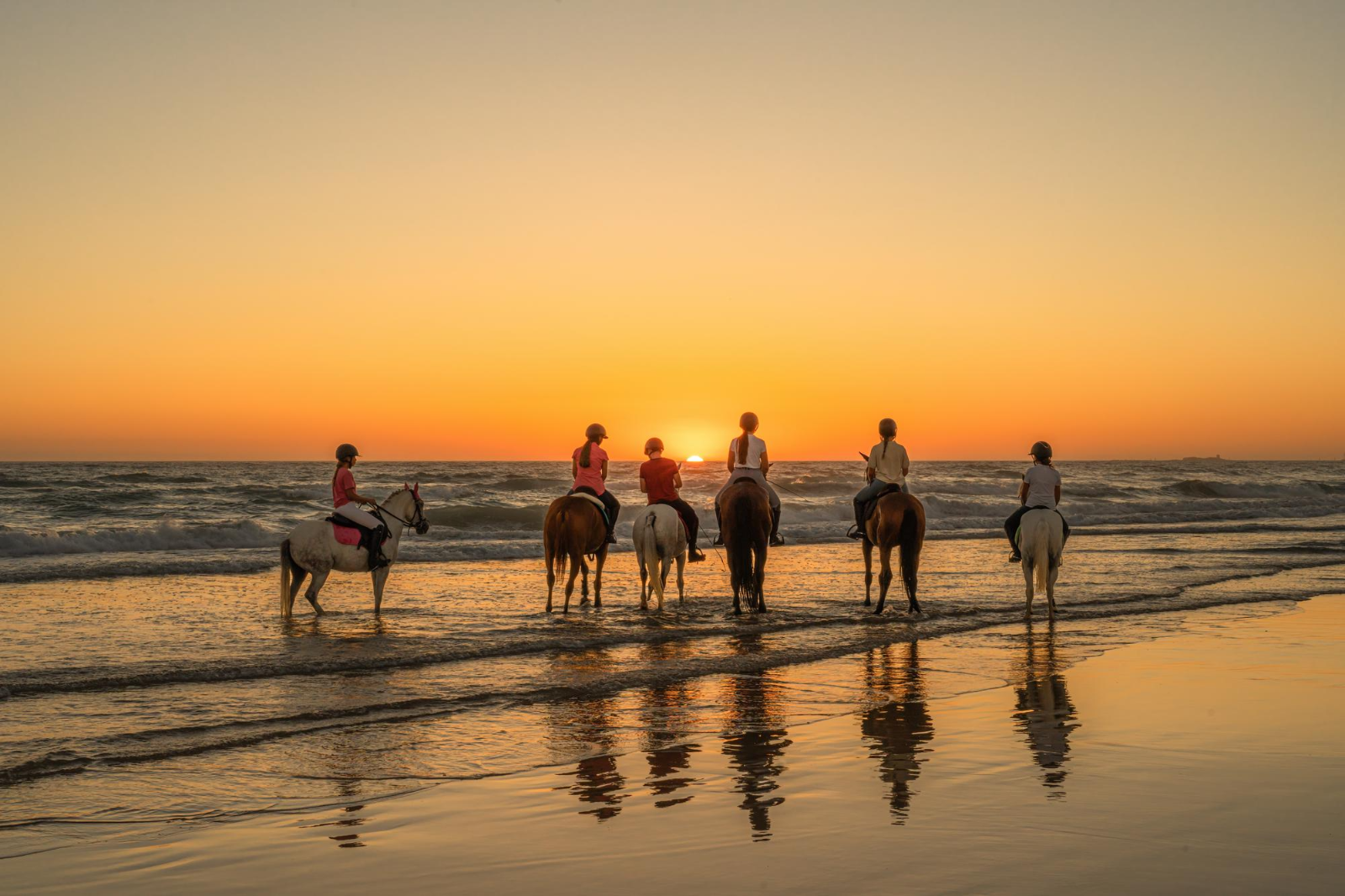
07:00–10:00
A wide-angle shot from the shoreline captures the expansive ocean meeting the sky, providing a minimalist composition.
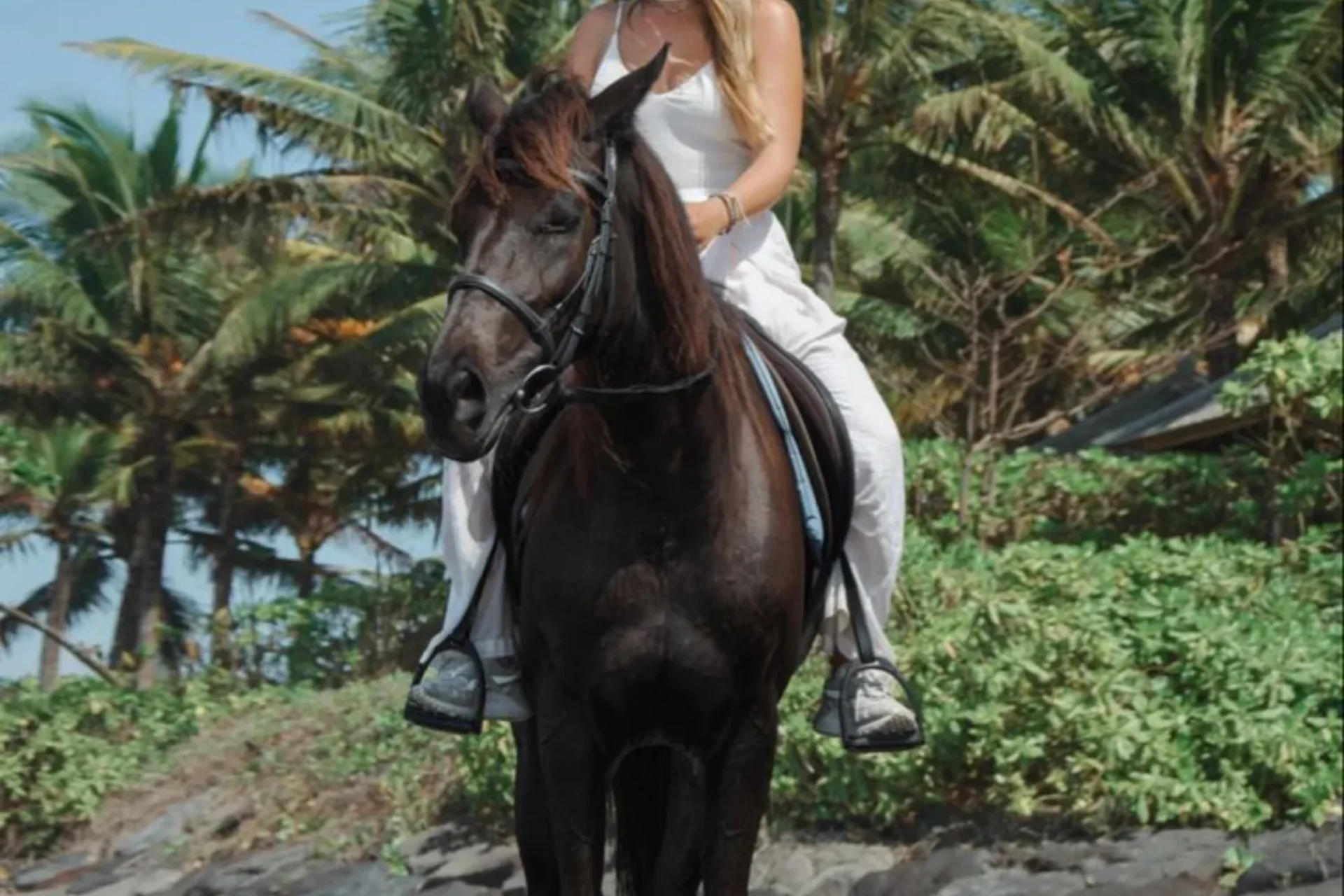
07:00–10:00
The lush green foliage bordering the beach offers a softer, natural contrast to the stark volcanic sand terrain.
Arrive prepared to make the most of your beach horse riding photoshoot session.
Everything you need to know about horse riding photoshoot bali
A horse riding photoshoot bali involves guided equestrian activities along the coastline, requiring advance arrangements for specialized services. Visitors should coordinate with the venue to ensure availability for their desired photography session.
A professional equestrian photoshoot requires a calm environment to ensure the safety of both the rider and the animal. Please confirm specific logistics, such as equipment usage and location access, through official channels.
In the event of inclement weather, sessions may need to be rescheduled to ensure safety and quality. The facility manages bookings based on stable operations and localized weather conditions.
Bali Horse Riding Prices and Packages
Read more GuideBeach Horse Riding in Bali
Read more GuideBali Horse Riding Lessons and Schools
Read more Tickets & toursSeminyak Beach Horse Riding
Read more Tickets & toursSaba Beach Horse Riding
Read more Tickets & toursNusa Dua Horse Riding
Read more